Buyer's Guide for Gearboxes
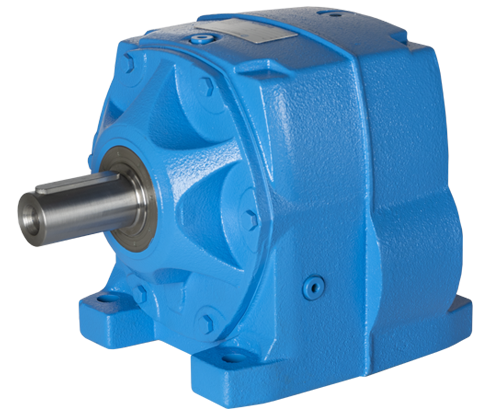
Gears come in many types and designs. If you’re unsure which type you need, contact us and we’ll help you choose the right one.
Here’s what you should know before making a purchase.
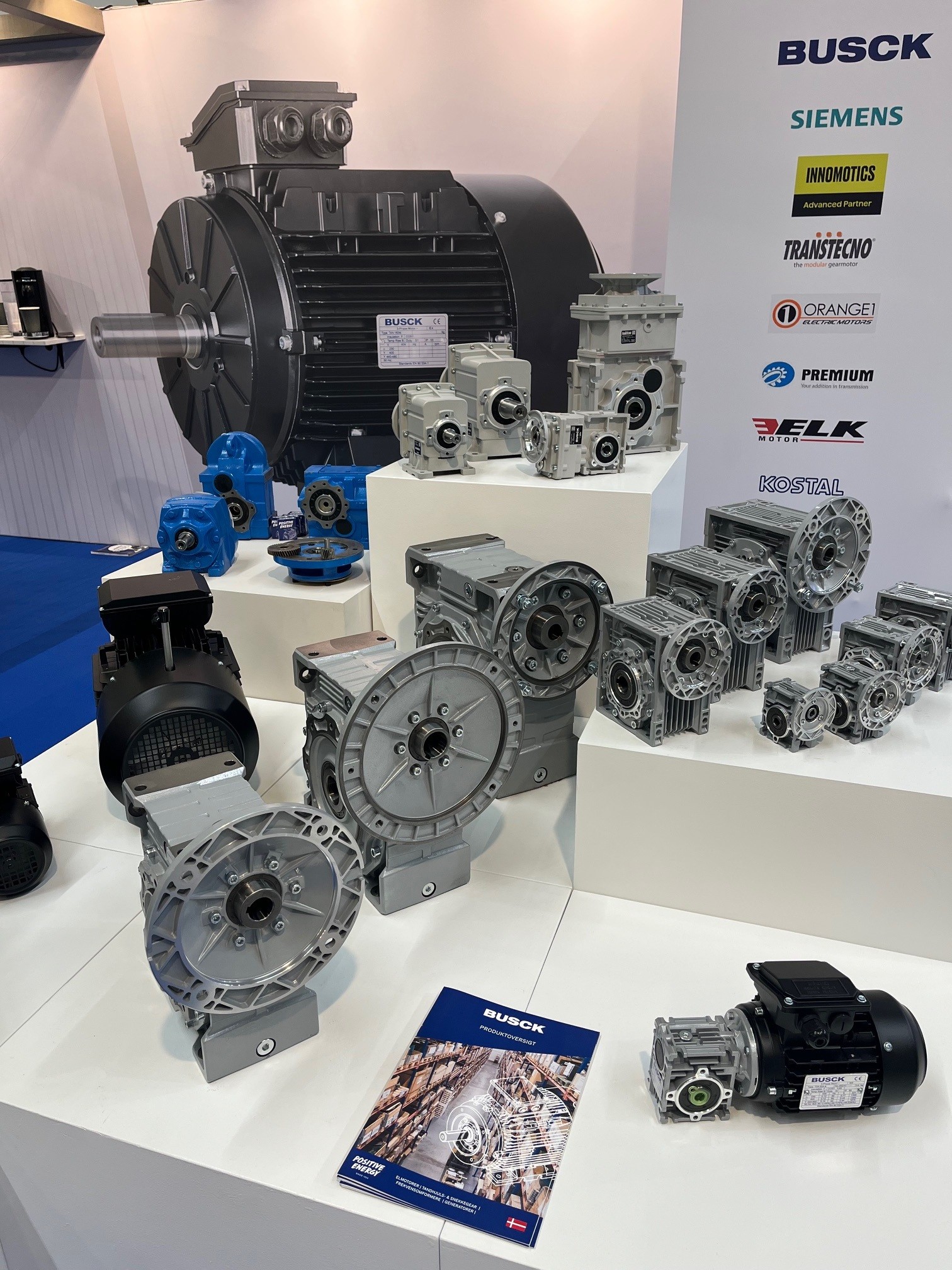
What we need to know when placing an order
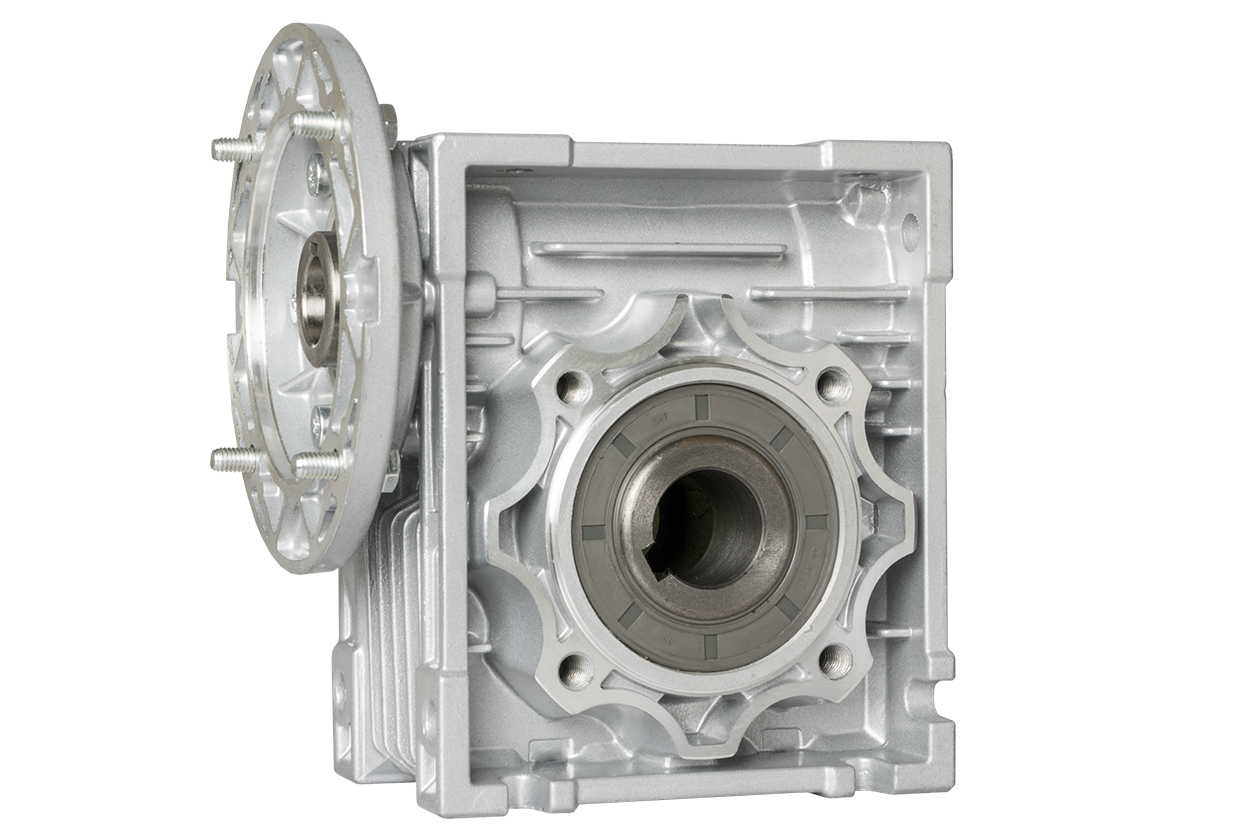
- Type of gearbox – for example, worm gear, spur gear, bevel gear, or pinion gear. Learn more here.
- Motor power (kW) and number of poles – power and speed of the drive motor.
- Gear ratio (i) or output speed (n2) – by how much the speed should be reduced.
- Mounting type – foot (B3), large flange (B5), or small flange (B14).
It is important to ensure the correct installation position so that the lubrication system works properly.
For example, B3 (horizontal) or V1/V5 (vertical). When installing vertically, it is especially important to monitor the thermal load to ensure that the gearbox does not overheat.
- Shaft configuration – solid shaft (single or double) or hollow shaft (keyway or shrink fit).
- Motor flange (IEC size) – which flange and shaft sleeve are required for your motor (e.g., 80B5 or 90B14).
Good to have
- Service factor (SF) – type of load (steady, intermittent, or highly intermittent), operating hours per day (8/24, 16/24, or 24/24), and number of starts per hour.
- Mounting position – how the unit is physically mounted (B3, V1, V5). For vertical mounting, it is especially important to check the thermal load.
- Environment – temperature and whether the gearbox is located outdoors or indoors.
- Shaft load – radial or axial loads on the output shaft.
- Accessories – torque arm, reverse lock, brake, encoder, or stainless steel hollow shaft for food-grade environments.